

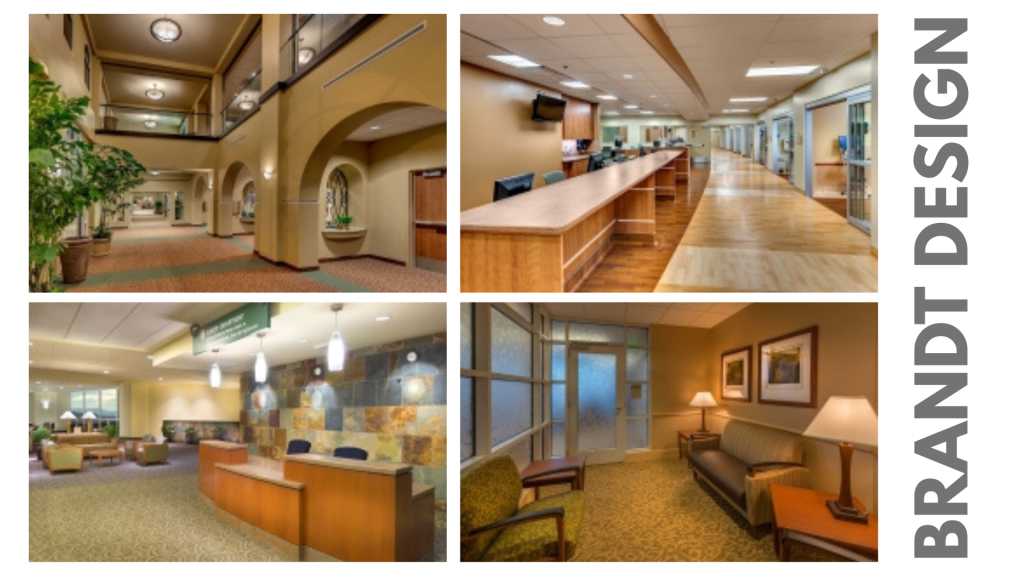
In 2026, design is moving in a quieter direction.
For years, interiors were driven by statement pieces, bold palettes, and visual impact. But as daily life becomes faster and more digitally saturated, the role of design is evolving.
Today, the most effective spaces aren’t the loudest — they’re the ones that create a sense of calm.
This shift isn’t about minimalism for the sake of trend. It’s about designing environments that support clarity, reduce stress, and help people feel more grounded in their everyday lives.
Calm as a Design Priority
People are becoming more aware of how their surroundings influence mood, focus, and overall well-being.
As a result, there’s growing demand for spaces that feel शांत (calm), balanced, and easy to exist in.
Calm design reduces friction — visually, mentally, and physically.
It removes unnecessary complexity and replaces it with thoughtful simplicity.
This doesn’t mean spaces feel empty.
It means every element has a purpose.
Less Stimulation, Better Experience
Modern environments are often filled with constant input — noise, clutter, harsh lighting, and competing elements. Over time, this leads to fatigue.
Designing for calm reverses that effect.
Soft lighting, open layouts, natural materials, and intentional spacing allow the mind to slow down. Movement becomes intuitive. Spaces feel easier to navigate.
There is less to process — and more room to breathe.
The result isn’t just visual comfort, but a better overall experience.
Why Materials & Texture Matter More Than Ever
In calmer interiors, materials take on a deeper role.
Instead of bold contrasts, designers are leaning into textures and finishes that feel natural and grounding — wood, stone, linen, and matte surfaces.
These materials absorb rather than reflect energy, creating a softer, more relaxed atmosphere.
Even the smallest details — the feel of a surface or how light interacts with a finish — shape how a space is experienced.
Designing for Real Life, Not Just Aesthetics
The most successful spaces in 2026 are designed around real human behavior:
• How do people move through the space?
• Where do they pause?
• What do they feel when they enter?
These questions are shaping decisions around layout, lighting, acoustics, and flow.
In workplaces, this means quiet zones for focus.
In healthcare, clearer navigation and reduced sensory stress.
In homes, spaces that allow people to truly rest and reset.
The Power of Intentional Simplicity
Simplicity is no longer a lack of design — it’s a mark of clarity and control.
When spaces are stripped back to what truly matters, they become more functional, more timeless, and more supportive.
This approach requires discipline — making deliberate choices and resisting the urge to overfill.
But when done well, the impact is immediate and lasting.
A Reflection of How We Want to Live
The move toward calmer interiors reflects a deeper cultural shift.
People are seeking balance.
They want spaces that help them think clearly, feel at ease, and recover from daily demands.
Design is responding by becoming more human, more thoughtful, and more intentional.
Because the most valuable spaces aren’t the ones that impress at first glance —
they’re the ones that continue to feel good, day after day.
In 2026, calm is no longer a luxury in design.
It’s the standard.